Get the revised estimate and evidence for the added work. Confirm the net price change, what the insurer has approved and the amount, if any, the shop expects from you. Authorize a defined scope rather than relying on “insurance is handling it.” Check rental and completion dates separately.
What you can do with this guide
- Match the new work, insurer approval and your authorization separately.
- Check whether a revised total includes the earlier estimate.
- Request a rental extension separately from the repair supplement.
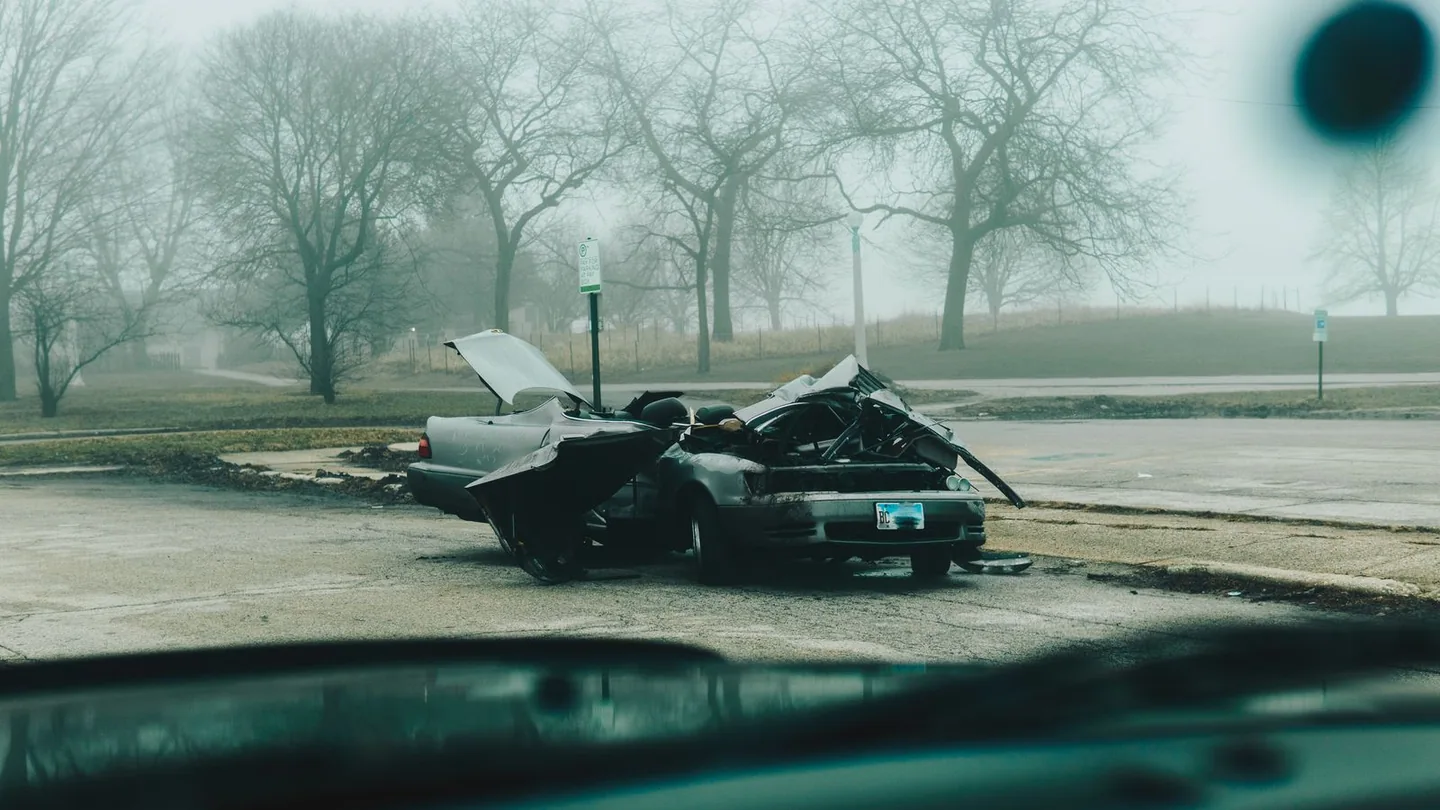
The first estimate looked manageable. Then the shop takes the car apart and calls with more damage, a higher total and a later completion date. The question that matters now is simple: what changed, and who has agreed to pay for it?
A repair supplement updates the estimate. It can involve real damage that the first inspection did not reveal, but submission is not the same as approval. You need the added work, the insurer's payment decision and your own repair authorization to match before the file can tell you where you stand.
This guide gives you a way to follow those decisions without having to diagnose the vehicle yourself. Your policy, repair agreement, claim facts and applicable state rules determine the actual payment and authorization requirements.
Before you say “go ahead,” get four answers
- What is new? Ask for the changed line items and photographs or findings that explain them. A new total alone does not show what was added or removed.
- What has the insurer agreed to? Get the version, amount and any conditions. “Uploaded,” “being reviewed” and “approved” belong in different columns.
- What are you being asked to pay? Request an itemized explanation of any balance beyond the insurer's proposed payment, including whether it is a deductible or a disputed repair item.
- What decision is needed from you? Identify the work you would authorize, the price and what happens if you need a clarification first.
Then ask one scheduling question: “Which specific step is holding up completion today?” A delayed part needs a different follow-up from a missing inspection or an unanswered authorization request. Send the answer to the person handling your rental if it affects transportation.
When the insurer and shop use different totals, ask them to compare the same version and tax basis before debating the difference. Keep prior payments in a separate line. The goal is to see the actual proposed out-of-pocket amount, not accidentally add a revised total to an earlier estimate.
What to ask when the shop finds more damage
Ask the estimator to send the revised document before you decide about additional work. Find out what changed, how it was discovered and whether the vehicle is waiting for inspection, payment approval, your authorization or a part. Those are different delays, and each has a different person who can resolve it.
The California Department of Insurance’s accident guide describes a shop contacting the insurer when further damage appears during repairs; the insurer may inspect again. Texas Department of Insurance guidance also explains that the owner or shop can ask the adjuster to revise an estimate when damage proves worse than initially thought. Neither description means every requested item will be paid.
- Get the document: supplement number, date, claim number and revised total.
- Identify the change: newly found damage, an added operation, a different part or another reason.
- Confirm the evidence: photographs, an inspection note or the technician’s explanation.
- Find the next decision: who needs to do what, and when will you receive an update?
Save the original estimate rather than replacing it with the new file. Rename your copies with their dates so you can follow the sequence later.
Shop recommendation, insurer payment, your approval: check all three
For each added item, ask three questions: What work does the shop recommend? What amount has the insurer agreed to pay? What work have you authorized the shop to perform? A yes to one question does not answer the other two.
California example: BAR’s repair-authorization guidance explains that the insurer is not the customer for purposes of authorizing the repair. Its current documentation guide also addresses additional customer authorization. That California rule is not presented here as the law of every state; wherever the car is being repaired, ask for your own authorization record and written payment information.
Suppose the insurer approves a revised amount but the shop says its price is higher. Ask both sides to identify the exact difference. Before agreeing to pay it, find out whether it reflects a disputed operation, a part choice, a deductible, a tax adjustment or a simple document mismatch. Do not accept an unexplained balance as the inevitable cost of a supplement.
New damage after repairs start: choose the next step by the actual disagreement
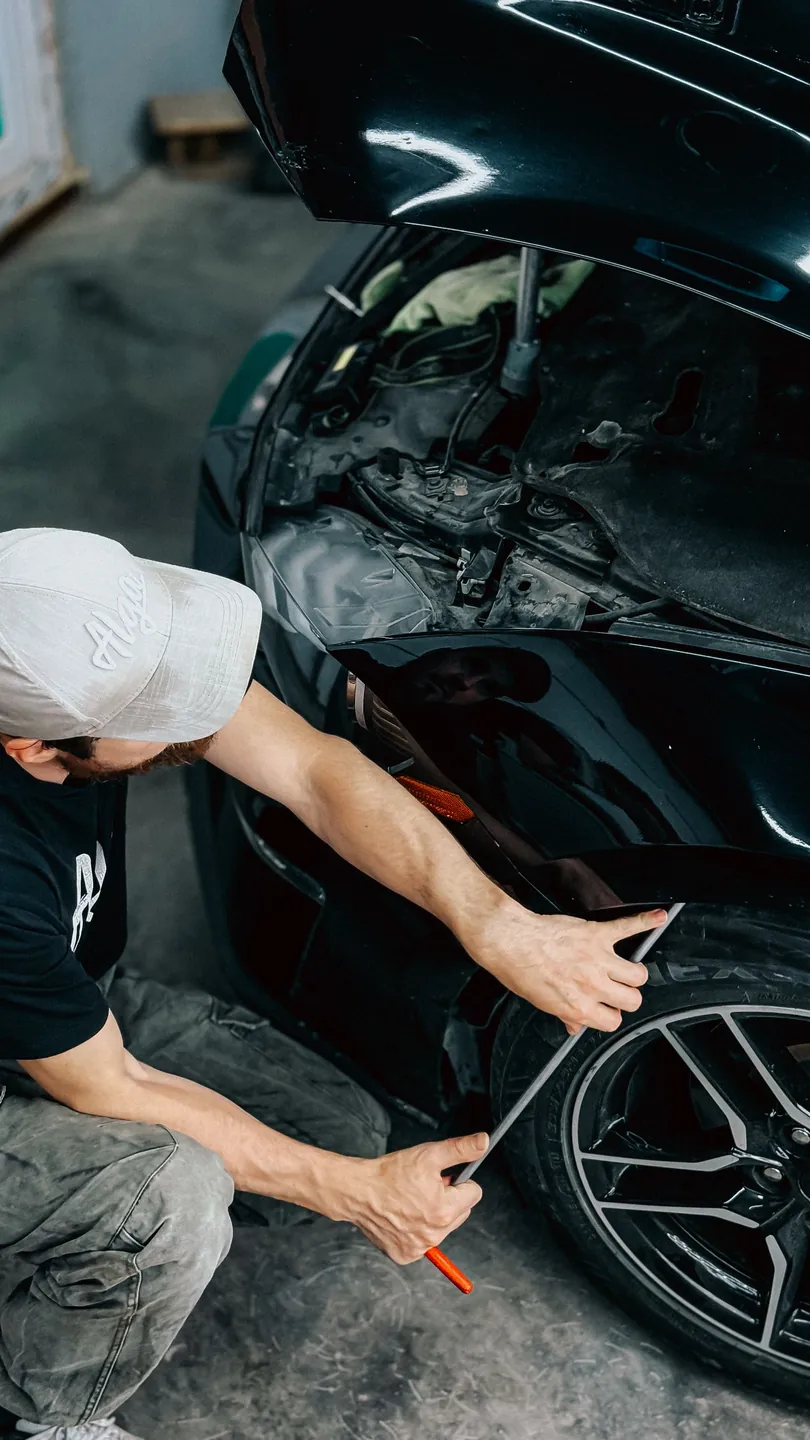
A newly discovered problem does not always require the same response. Sometimes the insurer has not seen the latest photos. Sometimes it has seen them but disputes the cause. Sometimes payment is approved and the shop is waiting for your repair authorization. Before escalating, identify which decision is unfinished.
The California insurance department's accident guide describes the repair shop contacting the insurer about additional damage and the possibility of another inspection. Its description supports asking for a supplement review; it does not establish that any newly discovered problem must be covered.
| What you have been told | Request this next | Do not assume |
|---|---|---|
| The supplement is missing | Submission confirmation and the exact version the adjuster needs | That uploading a file proves it reached the right claim |
| An inspection is needed | Who schedules it, what must remain available and the expected next update | That an appointment request is a booked inspection |
| The damage is disputed | The shop's explanation and the insurer's written reason for that specific item | That finding it during teardown establishes when it happened |
| The price or operation is disputed | A comparison of the same line items, estimate versions and tax basis | That the higher total is entirely additional work |
| You need to authorize work | The revised work description, total, proposed personal balance and authorization record | That insurer approval itself is your instruction to the shop |
Hypothetical example: a shop's supplement lists a damaged bracket and an alignment operation. The adjuster says photographs for the bracket were not received and separately questions the alignment charge. Record those as two unresolved items. Sending the missing photograph may resolve one without answering the other. Ask the shop to explain the operation it recommends; do not diagnose the vehicle or agree to omit a necessary procedure based on this example.
If the shop proposes proceeding while payment remains disputed, ask what you would personally owe under the proposed authorization and what would happen if the insurer does not approve the additional amount. Keep that answer separate from any estimate of when an adjuster might respond. A projected review date is not a payment commitment.
California documentation example: BAR's January 2026 Write It Right guide addresses revised work orders, revised totals and additional customer authorization before additional repairs. Outside California, check the local repair requirements and the actual agreement. Asking for a clear written scope is an organizational step here, not a statement that every state uses the same form.
If the parties still disagree, gather the relevant versions, disputed line items, photos, authorization records and written responses before approaching a supervisor or appropriate regulator. Mark the issue you want reviewed in one sentence. A packet that identifies “supplement 2, item 14, causation disputed” is easier to assess than a large folder labelled “insurance problems.”
Finally, ask whether the disputed item changes the expected completion date or creates rental, storage or transport expenses. Request those decisions separately, with the dates and proposed charges. Do not let an unresolved supplement silently become an unexamined agreement to pay unrelated costs.
Use a supplement worksheet
The following is an organizational tool, not an insurance form. Copy it into a note or spreadsheet. Make one entry for each revision and attach the actual documents; a worksheet cannot substitute for the estimate itself.
On a phone, swipe across the table to read both columns.
| Field | What to record |
|---|---|
| Version and discovery | Supplement number, date, vehicle and claim number; what inspection revealed. |
| Changed scope | Added, removed or replaced line items, with the shop’s explanation. |
| Supporting material | Photo filenames, inspection findings and any repair-procedure reference provided. |
| Cost change | Previous total, net increase or decrease, and revised total on the same tax basis. |
| Insurer response | Received, awaiting inspection, partly approved, approved or disputed; date and contact. |
| Your decision | What you authorized, declined or asked to discuss, and the dated record. |
| Next action | Responsible person, requested response date and effect on completion. |
Use “unknown” when nobody has confirmed a fact. In particular, do not label an item approved merely because the shop submitted it. Ask for the insurer’s response and the amount it covers. If someone says “approved” on the phone, follow up with a short written recap identifying the version and amount.
Keep photographs in context. A close-up may show a crack but not which vehicle or location it belongs to. Ask for enough context to connect the image to the repair item. Do not dismantle the car yourself to create evidence.
Read the revised total without counting it twice
Illustration only: an initial estimate is $3,200 before tax. The shop later adds $950 of work and removes a $150 item that the new repair method replaces. The net increase is $800, making the revised estimate $4,000 before tax.
| Item | Amount |
|---|---|
| Previous repair estimate | $3,200 |
| Added work | +$950 |
| Removed work | −$150 |
| Net change | +$800 |
| Revised repair estimate | $4,000 |
The $4,000 already includes the original work that remains. Adding $3,200 to $4,000 would incorrectly produce $7,200. Ask whether a document reports only the latest change or the entire revised repair total.
Now keep payment separate. If, purely for this example, the insurer accepts the full $4,000 and a single $500 deductible applies, its total payment would be $3,500. If the insurer had already paid $2,700 toward that same approved repair bill, its additional payment would be $800. The deductible is not subtracted again simply because a second estimate exists.
Your actual amounts may differ because of coverage decisions, prior payments, taxes or other adjustments. Confirm who received each payment and what it covered. A check issued to you, a payment sent to the shop and an approved amount not yet paid are three different entries.
Find out who is submitting it and whether inspection is booked
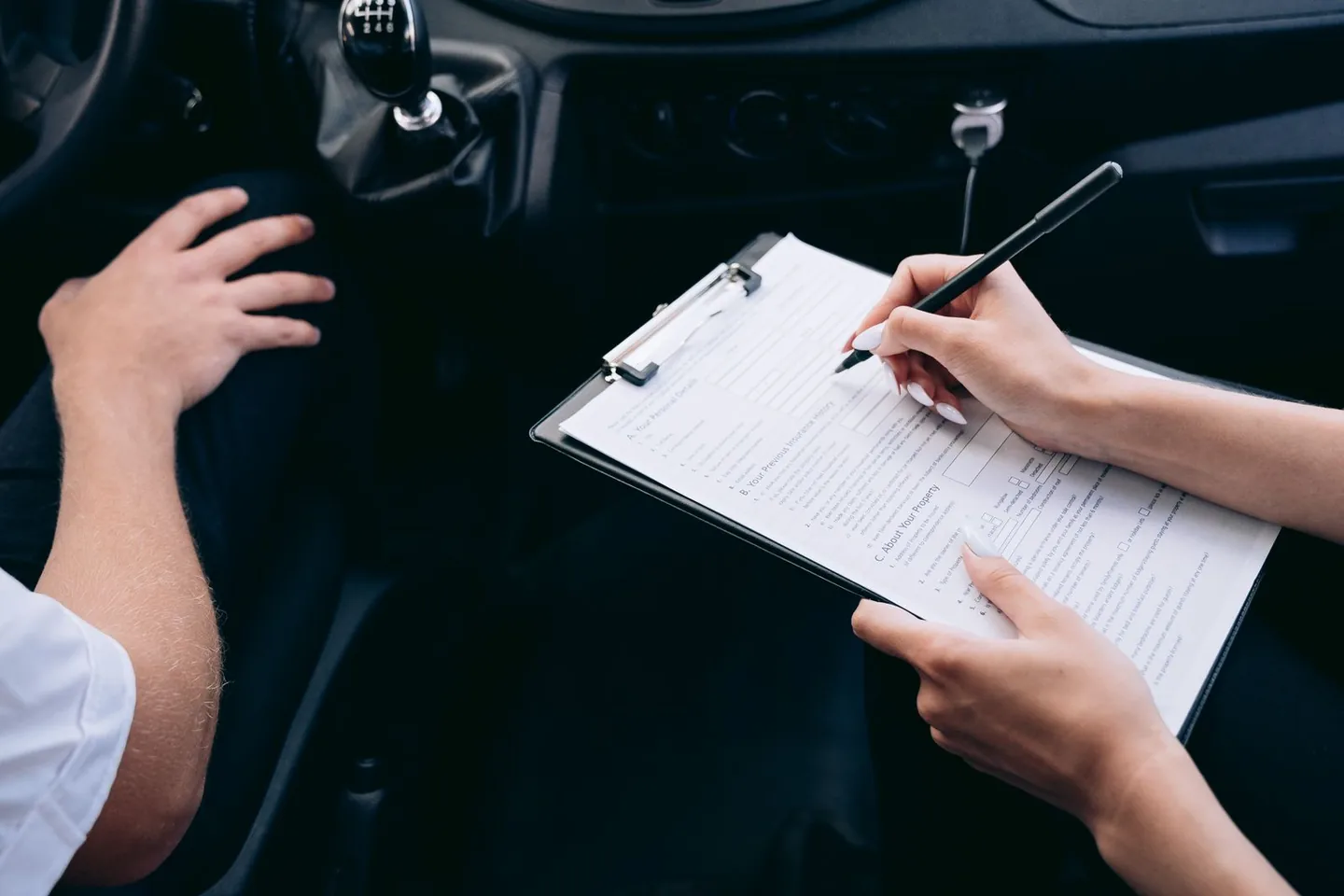
Ask the shop which employee submitted the supplement, through what channel and on what date. Then ask the claims contact to confirm receipt of that version. This avoids a stalled claim where the shop believes a file was uploaded but the adjuster is waiting for missing photos.
If another inspection is needed, obtain the appointment or scheduling contact. Ask what needs to remain available for inspection and whether any work can continue without affecting it. Do not instruct the shop to discard a disputed component while someone still needs to examine it.
Use a concrete follow-up: “Is supplement 2, dated October 18, complete for review? If not, which specific item is missing, and who should supply it?” That is more useful than repeatedly asking whether the whole claim is finished.
If nobody responds, record your attempts and ask the insurer’s claims service for the appropriate supervisor. The NAIC recommends keeping dated conversation notes and requesting written explanations of claim decisions. There is no universal supplement turnaround time in this guide; applicable deadlines need to be checked for your state and type of claim.
Understand disassembly and reassembly before more work starts
Finding hidden damage may require disassembly, sometimes called teardown. Before authorizing it, ask what will be taken apart, its price, whether the vehicle can be reassembled if you decline repairs, and what that would cost. Ask about timing and any parts that cannot simply be reused.
California example: BAR’s January 2026 Write It Right guide says a teardown estimate must address the area being dismantled, teardown and reassembly costs, specified related costs and the maximum reassembly time. After teardown, the shop must provide an itemized repair estimate and obtain authorization to repair or reassemble. For extra work beyond the original estimate, its guide calls for a revised work order, the revised total and documented customer authorization.
Before signing any further instruction, ask which document it refers to. A reference such as “all necessary repairs” is difficult to reconcile with a dispute over a particular added item. Request a clear description and keep the signed or electronic exchange.
Separate crash damage from maintenance or elective work
Ask the shop to list accident-related repairs separately from suggested maintenance, older damage and optional upgrades. Discovering a problem during collision repairs does not, by itself, establish that the collision caused it or that an insurer covers it.
For a disputed item, request the shop’s explanation of the connection and the insurer’s reason for disagreement. Keep the question specific: is the dispute about cause, the repair method, price, the type of part or policy coverage? A generic “not covered” label gives you little to respond to.
The FTC’s auto-repair guidance recommends written estimates and considering a second opinion for expensive or complicated work. Ask about diagnostic charges before arranging that opinion. If moving a partly disassembled car is being discussed, obtain a written description of its condition and transport requirements first.
You do not have to solve a technical disagreement by guessing which part is safe. Ask the qualified repairer for the applicable repair procedure and explanation. If a proposed shortcut raises a safety concern, seek clarification before authorizing it rather than trading a necessary repair for a faster pickup.
Recheck rental and storage arrangements when the date moves
Ask the shop for an updated expected completion date and what that estimate depends on: inspection, authorization, parts delivery or repair time. Forward the explanation to the claims contact handling transportation. Do not assume that submitting a supplement also submitted a rental-extension request.
Confirm the current rental authorization and return date directly with the responsible parties. Our rental-car coverage and repair-delay guide provides a separate checklist for daily limits, total limits and extension decisions.
If the vehicle is awaiting a move, use the tow-yard coordination guide to check destination, release requirements and who books transport. Before choosing to pause repairs or move the car, ask whether storage, reassembly or transport costs would start. Keep those proposed expenses distinct from the repair supplement.
When the proposed balance still does not make sense
Request clarification before agreeing to additional work when the revised amount is missing, your proposed share is unexplained, the document refers to a different vehicle or version, or the shop and insurer give contradictory instructions. Identify the disputed item rather than assuming every part of the repair must stop.
If the revised damage makes the insurer reconsider repairability, ask for its decision and next steps in writing. Do not assume a particular percentage automatically makes every car a total loss. If a valuation is issued, our total-loss valuation audit explains how to check the vehicle details and comparable vehicles.
For an insurance disagreement, the NAIC advises first seeking an explanation from the insurer and then contacting your state insurance department if necessary. For a shop billing or workmanship problem, the FTC points consumers toward the shop manager and relevant consumer-protection agency. Bring the estimate versions and correspondence so the problem can be understood quickly.
A message to send the shop and adjuster
For claim [number] and vehicle [year/make/model], please send the latest supplement and identify the newly discovered damage, supporting photos, changed line items, net price change and revised total. Please confirm when the insurer received this version, whether inspection is required, the amount approved for payment and any amount still disputed. Separately, please identify what additional work you need me to authorize and any proposed amount I would pay. What is the next action, who is handling it, and how does it affect the expected completion date?
Use only facts you have confirmed. Copy the appropriate contacts through their verified addresses, and retain the reply with the estimate. If a call resolves one issue, record that specific decision without marking unrelated items resolved.
At pickup, reconcile the completed work
Compare the final invoice with the last authorized estimate and any later changes. Ask which items were completed, which were removed, what remains outstanding and how payments were applied. Request explanations for new line items before treating the paperwork as settled.
For concerns after repairs in California, BAR offers a no-cost collision-repair inspection program for qualifying work completed after you bought the vehicle at a California shop. It checks completed repairs; it does not supply a competing estimate. Other states have different resources.
A repair supplement is not a review of your injury losses
The shop is documenting work on the vehicle. If you were also hurt, keep medical bills, time away from work and any injury-related insurer messages in a separate part of the claim file. A larger repair estimate does not establish a larger injury settlement, and approval to fix the car does not answer the injury questions.
Use the documents to ask focused questions: which claim is the adjuster discussing, which expenses are still being considered, and what would any proposed release resolve? If the answers remain unclear, you can see what a free injury case review involves. Have the accident timeline and the actual paperwork ready rather than trying to turn the repair total into a compensation estimate.
If the only issue is a repair supplement, the shop, insurer and relevant repair or insurance regulator are the first routes described in this guide. The injury-review provider may not handle a vehicle-repair-only dispute.
Your next step
More repair costs are only one part of the crash.
If you were injured too, review your options for a free case review before treating the repair payment as the end of the conversation.
Explore My Injury Claim Questions →Free initial review through an independent provider. No obligation to hire.Sources and scope
Core sources checked October 18, 2026; editorial update November 1, 2026. State examples apply only to the named jurisdiction. This guide is editorially researched; it has not been reviewed by an attorney and does not assess your individual claim.
- California Department of Insurance — So You've Had an Accident, What's Next?
- Texas Department of Insurance — Auto insurance guide
- California BAR — Repair authorization and insurance companies
- NAIC — What you should know about filing an auto claim
- California BAR — Write It Right, updated January 2026
- Federal Trade Commission — Auto repair basics
- California BAR — No-cost collision repair inspections
Spot an error? Contact support@injurylawadvisor.us with the page and source. Please do not email medical records or sensitive case details.